READ OUR BROCHURE FOR MORE PROJECTS


PROJECT:
School Sesitization Outreach on “End Digital Violence Against Women and Girls
DATE:
2025
COLLABORATOR
BENUE STATE SEXUAL ASSAULT REFERRAL CENTER (BSARC)
STATUS:
Completed
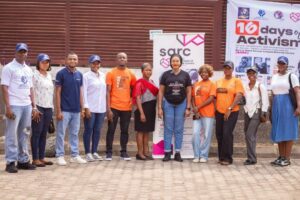
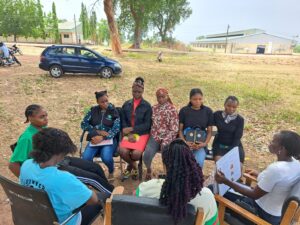
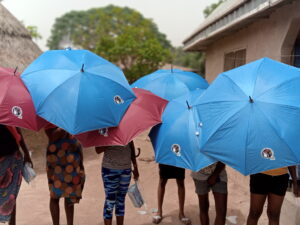
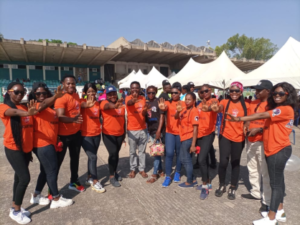
In commemoration of this year’s 16 Days of Activism Against Gender-Based Violence, the Benue State Sexual Assault Referral Centre (SARC) organized a school sensitization outreach on the theme “End Digital Violence Against Women and Girls.”
Although the theme highlights women and girls as a vulnerable group, we also recognize that boys and men can be victims of violence too. Taking this message to schools allowed us to educate both boys and girls on understanding GBV, speaking up, and building a future culture that rejects all forms of violence.
Global Women’s Health, Rights and Empowerment Initiative (GWHREI) proudly joined other supporting organizations in this activity. We engaged the students, answered their questions, and provided clear guidance on identifying, preventing, and reporting gender-based violence in all its forms.
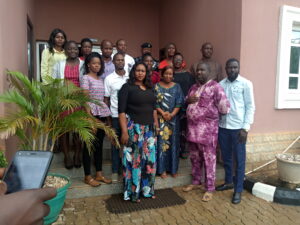
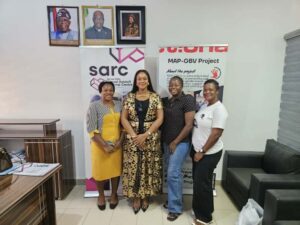
WHREI, led by the program manager, led a team to visit the Coordinator of the Benue State Sexual Assault Referral Centre (BSSARC) on an advocacy/courtesy mission. The meeting, aimed at strengthening collaboration efforts and improving support services for survivors and enhancing community awareness on sexual and gender-based violence.
We hope that this effort strengthens our work as an organization and inspires young people to choose respect, safety, and equality both online and offline.
Together, we continue to work toward a safer, more just society.

PROJECT:
An interactive session on Menstrual Hygiene and Care, Self-care Tips for Menstrual Well-being, and Addressing Menstrual Challenges.
DATE:
2025
DONOR:
FOS FEMINISTER
STATUS:
Completed
Menstrual Hygiene and Care, Self-care Tips for Menstrual Well-being, and Addressing Menstrual Challenges.
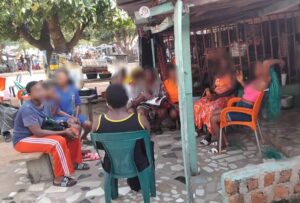
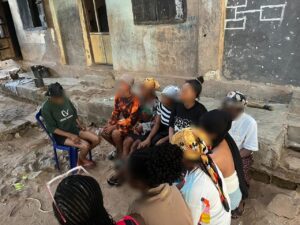
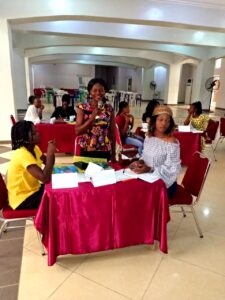
An interactive session on Menstrual Hygiene and Care, Self-care Tips for Menstrual Well-being, and Addressing Menstrual Challenges. The session was aimed at creating an inclusive space where queer menstruators could learn, share, and express themselves freely without fear of stigma or judgment.
During the discussion, was made on the importance of maintaining proper menstrual hygiene by using clean and safe menstrual products, changing them regularly, and ensuring access to clean water and privacy during menstruation. We also explored various self-care practices that promote menstrual well-being, such as eating healthy foods, staying hydrated, getting enough rest, and engaging in light exercises to ease cramps and improve mood.
Furthermore, common menstrual challenges faced by queer menstruators, include stigma, period poverty, and a lack of inclusive information. Were discussed. Participants shared personal experiences on how these issues affect their daily lives. Together, we identified ways to advocate for menstrual equity and inclusivity, as well as the importance of normalising conversations around menstruation within the queer community.
The session was engaging and empowering, as it allowed participants to connect, learn from one another, and build confidence in managing their menstrual health with dignity and pride.

PROJECT:
Cohort Session on Menstrual Health and Dignity.
DATE:
2025
DONOR:
GWHREI
STATUS:
Completed
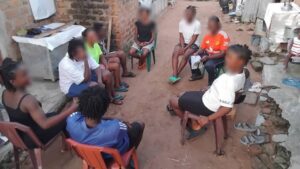
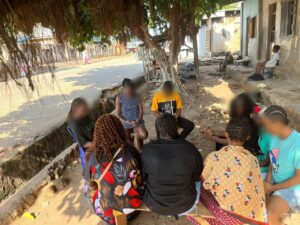
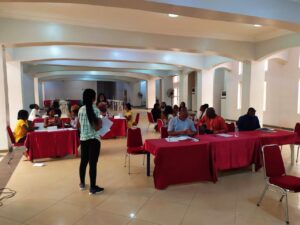
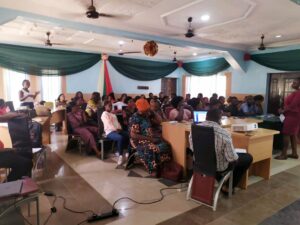
During the session on Menstrual Health and Dignity with queer persons who menstruate, the session commenced with an open, safe, and affirming space where participants could share experiences, learn, and engage in discussions around key themes: addressing menstrual health challenges, understanding the link between mental health and menstruation, and exploring menstrual rights and advocacy.
1. Addressing Menstrual Health Challenges
We began by discussing common menstrual health challenges faced by queer individuals, including stigma, limited access to gender-affirming menstrual products, and inadequate information tailored to their needs. Many participants shared personal experiences of exclusion in health spaces and the discomfort caused by gendered language around menstruation. Together, we explored ways to overcome these barriers such as promoting inclusive education, advocating for better product access, and encouraging community support networks that centre dignity and respect.
2. Mental Health and Menstruation
The conversation also focused on how menstruation affects mental health. Participants reflected on how hormonal changes, body dysphoria, and societal stigma can trigger emotional distress. Self-care strategies and empathy were discussed and the importance of seeking support from trusted peers and mental health professionals who are queer friendly. The session emphasised that mental health and menstrual health are interconnected, and both deserve attention in our overall well-being.
3. Menstrual Rights and Advocacy
In the final part of the session, we explored menstrual rights as a human rights issue. We talked about the need for policies and advocacy that include queer persons who menstruate, ensuring that their voices are heard in public health and gender equality conversations. Participants were encouraged to become advocates in their own circles challenging stigma, promoting inclusive language, and standing up for menstrual dignity for all people who menstruate.
Conclusion
The cohort session was impactful and deeply engaging. It reaffirmed that menstruation is a shared human experience that cuts across gender identities. By centring inclusivity, mental wellness, and advocacy, the group strengthened their understanding that menstrual health is not just a biological matter it’s a matter of dignity, rights, and equality.
PROJECT:
2-day Capacity-Building Training Organized by COSWRIM
DATE:
2025
DONOR:
COSWRIM
STATUS:
Completed
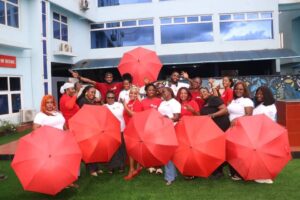
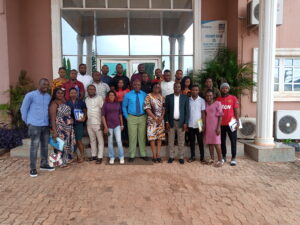
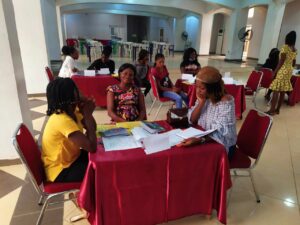
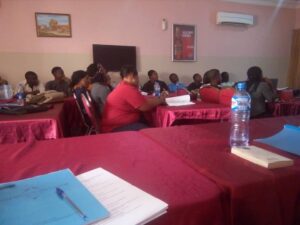
GWHREI is proud to have participated in a 2-day capacity-building training organized by COSWRIM, which brought together member organizations from across Nigeria to strengthen advocacy for legal reforms and advance the welbeing of sex workers.
The training equipped participants to build stronger partnerships, amplify collective voices, and drive meaningful change. Together, we’re exposing the real impact of working in isolation and shaping a future where collaboration fuels justice, dignity, and equality for all.


PROJECT:
Stigma-free Understanding of Menstruation, with a focus on the Unique Experiences of Queer Individuals
DATE:
2025
DONOR:
GWHERI
STATUS:
Completed
In this session, participants were taught about a stigma-free understanding of menstruation, with a focus on the unique experiences of queer individuals. The session commenced by creating a safe space, reminding everyone that menstruation is a normal process and that it deserves to be discussed without shame.
Basics of menstruation and the menstrual cycle in simple terms, breaking down the phases and clarifying Also, myths were looked into as participants may have heard, comparing them with facts to build confidence and correct misinformation. From there, we introduced the idea of menstrual dignity—managing periods safely, comfortably, and without discrimination.
Queer challenges that are often related to menstruators such as stigma, dysphoria, or lack of access to gender-affirming products. Different menstrual product options, self-care strategies can make menstruation easier to manage. The session also talked about emotional health, rights and advocacy, and the importance of supportive communities.
Basically, the session encouraged participants to see menstruation not as something to hide, but as a natural process they can manage with dignity and pride. The key message: menstruation is natural, and everyone deserves respect, care, love and inclusion menstruation 🩸 is not Dirty.


PROJECT:
Improving Access to Sexual Reproductive Health and Rights/Abortion Selfcare (SRHR/ASC)
DATE:
2021-2022
DONOR:
IPAS
STATUS:
Completed
GWHREI implemented the IPAS Anon 2 project on improving access to Sexual Reproductive Health and Rights information including abortion self-care for adolescent girls, young women, people with disabilities and female campus students, all within the ages of 15-35.
Through peer-to-peer education, they were sensitized on comprehensive SRHR information and abortion safe care practices, with the goal to close the educational gaps on comprehensive sexuality education in Nigeria. Cohort sessions were also held to build community and provide more accessible information points for participants. Through this project, Abortion Self-care (ASC) training was also provided for Patent Medical Vendors (PMVs) in Benue State, enabling them to provide youth-friendly services.


PROJECT:
Negotiations Skills Training and Covid-19 Awareness
DATE:
2020
DONOR:
UNAIDS
STATUS:
Completed
During the 2020 COVID-19 pandemic, GWHREI, in collaboration with Benue State AIDS Control Agency implemented trainings to strengthen the capacity of females between the ages of 20-24 on best practices, negotiation skills and COVID-19 awareness, to enable them to have safer sex negotiation skills during the pandemic. This also equips them to identify commodity pick up and counseling centers, enabling better access to services.


PROJECT:
CDC-Key Population Investment funds (KPIF)
DATE:
2019-2020
DONOR:
KPIF
STATUS:
Completed
GWHREI implemented the CDC-Key Population Investment funds (KPIF) through APIN Ensuring Comprehensive HIV/Aids Response and Building Sustainable KP-led and KP friendly community approach (EnCOMPARS). The project was implemented from October 2019 to September 2020 targeting female sex workers in Makurdi, Otukpo, Guma, and Kastinala Local government areas of Benue State. The project’s main goal was to provide services including access to HIV prevention, strategy and risk-based testing, provide gender based care, psycho-social support, care and treatment that is evidence-based, with efforts towards retention to achieve viral suppression and support organizational development and institutional capacity building, KAP program implementation and increase the number of Key Population reached with combination of prevention interventions. Similarly another project was implemented by GWHREI titled Optimizing HIV investment for Impact (OHII) by Society for Family Health through APIN Public Health Initiative, under the Global Fund HIV intervention in Gombe.


PROJECT:
MARPS HIV Prevention Program (IMHIPP)
DATE:
2017-2018
DONOR:
UNAIDS
STATUS:
Completed
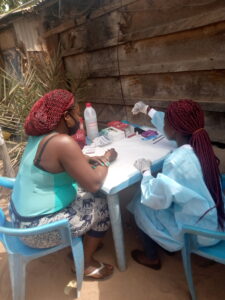
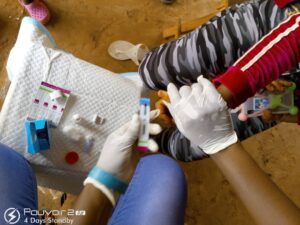
As part of the implementers of the UNAIDS 2017 to 2018 Integrated MARPS HIV Prevention Program (IMHIPP), GWHREI was the community host, providing HIV testing services to community members, referral and linkages to positive clients. Also facility collaboration, advocacy and service delivery, training outreach staffs including HIV Counselors Tester (HCT) and refresher training for counselor testers. The organization also identified GBV cases for referrals for psychosocial support and post GBV care.


PROJECT:
Successive Organizational Assessment and Training for Enhancing Key Population Interventions in Nigeria
DATE:
2015
DONOR:
Global Fund (Implemented by Heartland Alliance International)
STATUS:
Completed
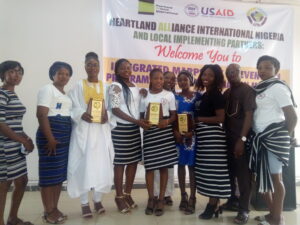
GWHREI in Partnership with Heartland Alliance International conducted successive organizational assessment and training for identified Key Populations (KPs). The assessment and trainings were aimed at organizational capacity building and strengthening, equipping them with the requisite knowledge, skill sets and right attitudes to develop and implement sustainable programs and access resources from donor agencies.